
Shockwave therapy for plantar fasciitis: key benefits include effective pain relief, stimulation of natural tissue healing, and a non-invasive alternative to injections or surgery. This treatment triggers the body’s healing response in damaged tissue, helping patients with stubborn heel pain return to activity without downtime.
The plantar fascia is a thick band of tissue that runs along the bottom of your foot. It connects your heel to your toes. When this band becomes strained and inflamed, it causes plantar fasciitis.
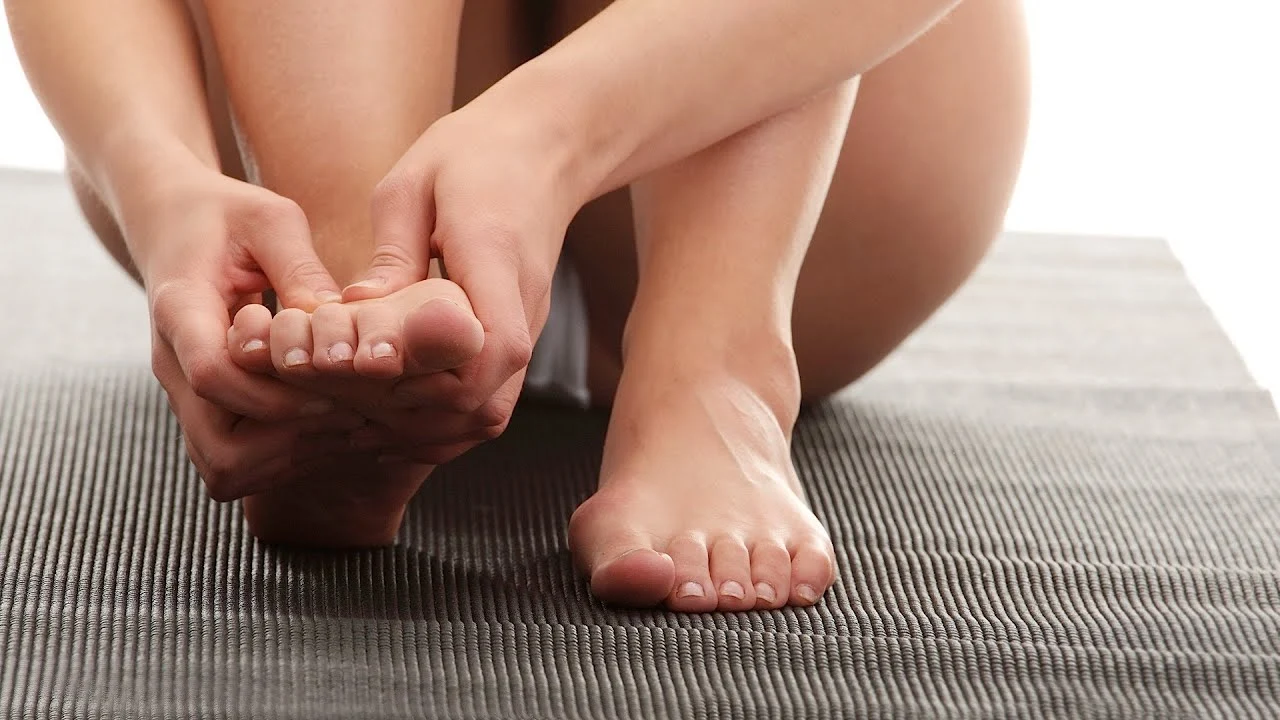
The most common sign is a sharp pain in the heel. Many patients feel it most with their first steps in the morning. Pain can also flare after long periods of standing or after rest. Over time, ongoing heel pain can limit walking, exercise, and work.
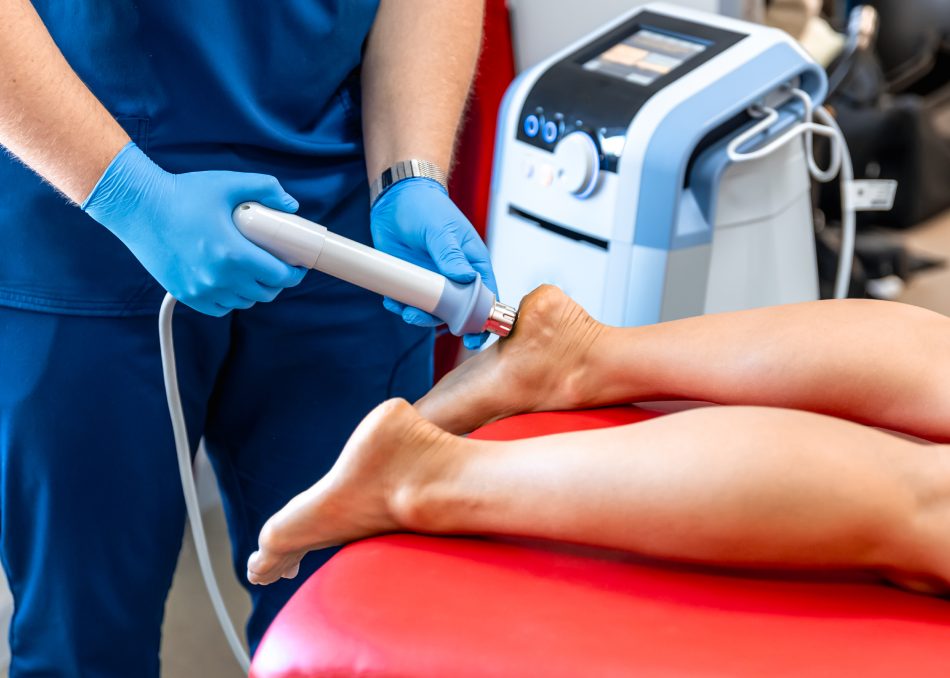
Extracorporeal shockwave therapy, or ESWT, sends energy waves through the skin into the painful area. “Extracorporeal” means the treatment happens outside the body. Nothing is cut or injected. Each session at our office typically lasts 15 to 30 minutes.
Mechanism of Action: Healing with plantar fasciitis often stalls because the tissue stops healing on its own. Shockwave therapy restarts that process. The energy waves create a healing response in the treated area. This response boosts blood flow and encourages the body to repair damaged tissue. It can also calm the pain signals coming from the heel.
We offer two types of shockwave therapy:
Focused shockwave sends energy to a precise point deeper in the tissue. It suits a specific painful spot.
Radial shockwave spreads energy over a wider, shallower area. It suits broader zones of pain and tension.
Davinder Bhela, Podiatrist chooses the approach based on where your pain sits and how your foot responds.
Many patients notice less heel pain as their treatment series moves forward. Because the therapy targets the source of the problem, relief tends to build over time rather than fade like a temporary fix.
Shockwave therapy uses no needles and no medication. It gives patients a path forward that does not rely on injections or surgery. This appeals to many patients who want to avoid procedures.
Rather than only masking symptoms, shockwave therapy supports the body’s own repair process. This makes it a strong option for heel pain that has lasted months.
There is no required downtime after a session. Most patients walk out and return to their normal day. Active adults and seniors can keep moving while the tissue heals.
Shockwave therapy has been studied for chronic plantar fasciitis for many years. Research generally supports it as an effective option for heel pain that has not improved with rest, stretching, or supportive shoes. Results tend to be strongest when therapy is part of a full treatment plan. That plan may also address foot mechanics and footwear.
For long-standing cases, our Power Heel Program combines shockwave and laser therapy into one structured plan for chronic plantar fasciitis.
No needles, no surgery, and no incisions
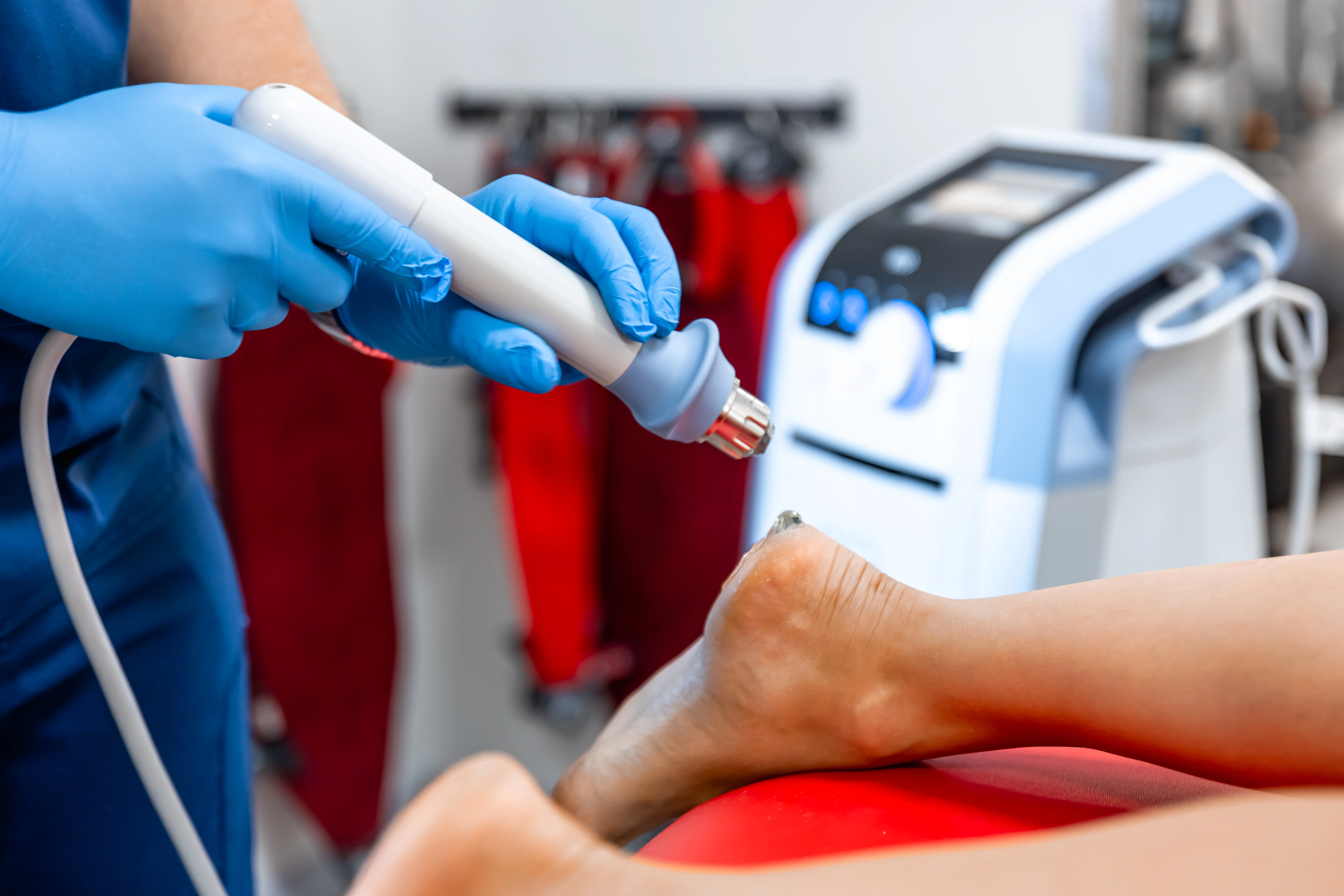
Sessions last 15 to 30 minutes
No required downtime
Supports natural healing of the plantar fascia
Can be combined with other therapies we offer
Shockwave therapy is not a one-visit fix. Most patients need a series of sessions, often 3 to 6, to see full results. Some patients feel mild discomfort during treatment or brief soreness afterward. Relief also builds gradually, so patience matters. Patients whose heel pain comes from poor foot alignment may need added support such as custom orthotics.
Shockwave therapy for plantar fasciitis: key benefits apply most to patients who:
Have heel pain lasting several months
Have not improved with rest, stretching, or shoe changes
Want to avoid injections or surgery
Lead active lives and want to keep moving during treatment
It may also help related problems, such as heel spurs and Achilles tendonitis.
Your care starts with a complete exam and a talk with Davinder Bhela, Podiatrist about your goals and questions. From there, you receive a treatment plan built around your foot and your pain. During each session, you may feel tapping or pulsing in the heel. Afterward, you can go back to your usual routine. Our team stays involved with follow-up visits to track your progress and adjust your plan as needed.
Shockwave therapy for plantar fasciitis: key benefits include pain relief, natural healing, and no required downtime. For patients with chronic heel pain who want to stay active, it is a strong option to discuss with Davinder Bhela, Podiatrist at our Hicksville office.