
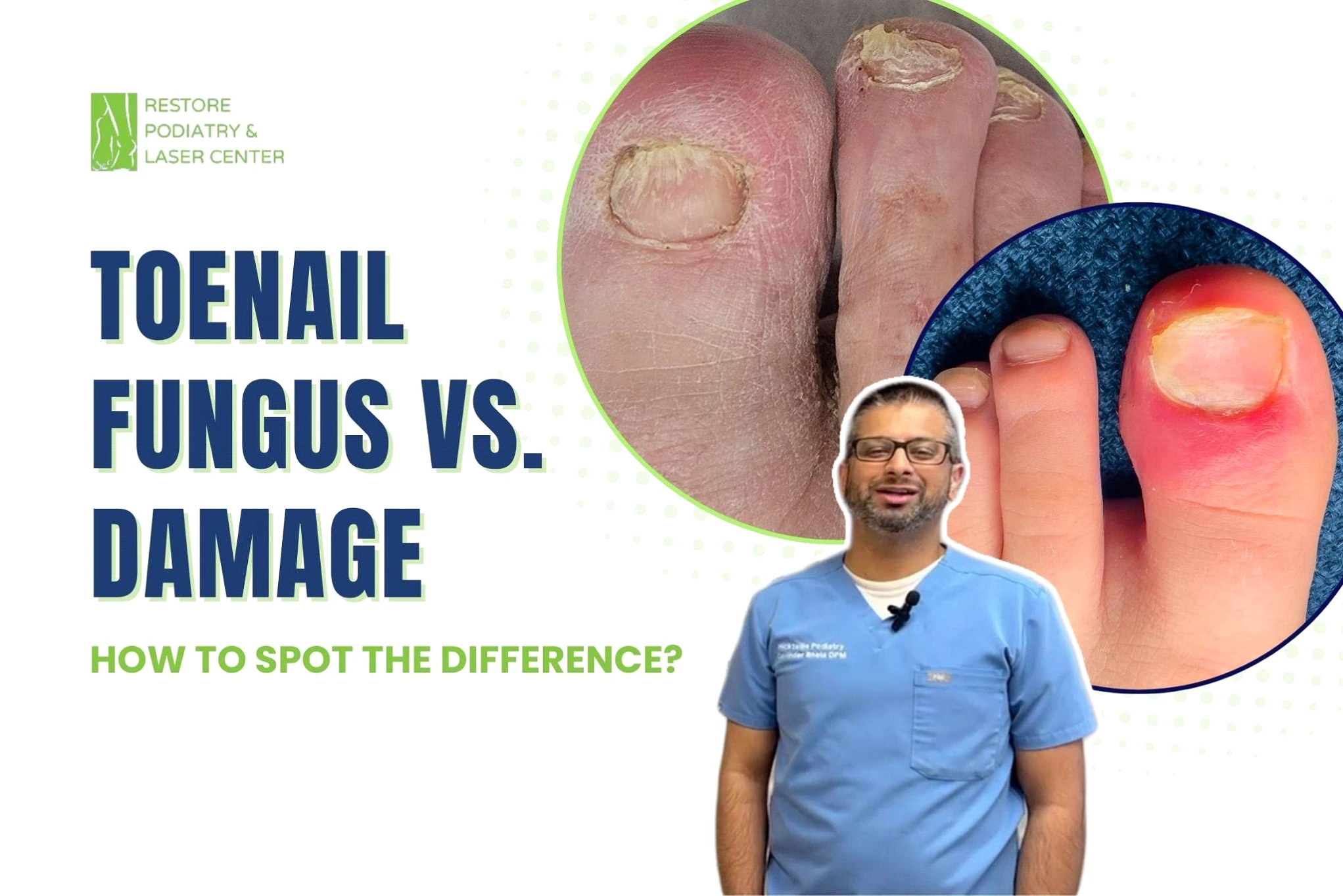
Knowing the difference is crucial to choosing the right treatment. Misdiagnosis can lead to ineffective remedies and prolonged issues. By understanding the key signs of each condition, you can take the right steps toward healthier nails.
Toenail Fungus vs. Nail Damage – Why It Matters
Different factors create distinct health risks between nail damage and toenail fungus although their symptoms might seem equivalent. Fungal infections become more severe and spread across the body when people neglect their treatment. Nail damage develops due to physical trauma together with ongoing pressure yet it will recover by itself.
The wrong diagnosis between these conditions leads patients to spend their money as well as their time pursuing treatments that do not work. Medical costs might rise from using antifungal products on non-fungal nail damage.
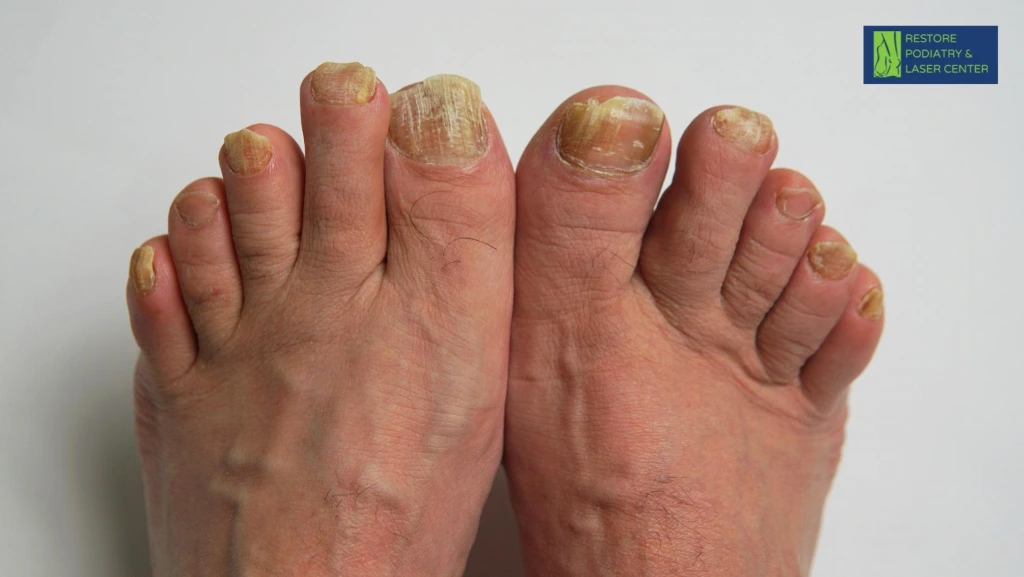
What Is Toenail Fungus?
The nail bed becomes infected when someone develops onychomycosis, known as toenail fungus. Nail fungus infection starts after fungi enter the body through tiny nail breakages. The fungus prefers warm and moist locations, which include footwear and changing areas, and gym facilities.
The microorganisms behind toenail fungus pass from person to person quickly while simultaneously becoming more advanced with time. Treatment requires professional expertise because toenail fungus becomes challenging to handle independently.
What Is Nail Damage?
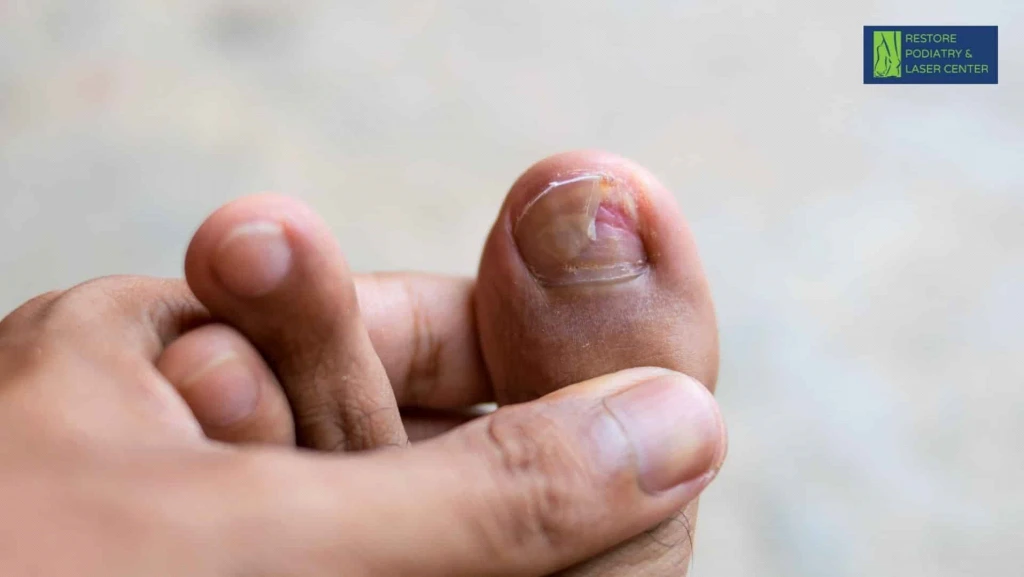
Nail damage happens from trauma or repeated stress to the nail. It can be caused by:
⦁ Injury (stubbing your toe, dropping something on it)
⦁ Tight shoes (constant pressure on the toenail)
⦁ Frequent pedicures (over-filing or using harsh chemicals)
⦁ Sports or running (repeated impact)
Nail damage is not caused by an infection. It does not spread to other nails.
Key Differences Between Toenail Fungus and Nail Damage
Feature | Toenail Fungus | Nail Damage |
Cause | Fungal infection | Trauma or repeated pressure |
Color | Yellow, white, or brown | Black, red, or white spots |
Texture | Thick, brittle, crumbly | Cracked, ridged, or dented |
Odor | Often has a foul smell | No smell |
Pain | Sometimes painful | Often painful, especially after injury |
Spread | Can spread to other nails | Does not spread |
Healing Time | Slow, takes months | Heals as the nail grows out |
How to Tell If It’s Fungus or Damage?
Not sure if it’s toenail fungus or just damage? Identifying the cause is key to choosing the right treatment.
Look at the Color
- Yellow, white, or brown nails? Likely fungus.
- Dark red, black, or purple spots? Likely damage from injury.
Check for Odor
- A foul smell? It’s likely a fungal infection.
- No smell? It’s probably just nail trauma.
Observe Nail Growth
- Getting worse over time? Toenail fungus spreads and worsens.
- Improving as it grows? Nail damage heals naturally.
Examine Other Nails
- Multiple nails affected? The fungal infection can move from one nail to another.
- Only one nail damaged? It’s likely trauma.
Consider Pain Levels
- Mild discomfort or no pain? Toenail fungus.
- Sharp pain or tenderness? Nail damage from injury.
Best Treatment for Toenail Fungus – Laser Therapy at Restore Podiatry
At Restore Podiatry & Laser Center, we offer advanced laser treatments for toenail fungus. Laser therapy penetrates deep into the nail to kill the fungus without damaging healthy tissue.
Why Choose Laser Therapy?
- Non-invasive – No drugs, injections, or surgery
- Highly effective – Targets fungus at the source
- Quick sessions – 30 minutes per treatment
- No side effects – Unlike oral antifungal medications
- Fast recovery – No downtime
Types of Laser Treatments We Offer
- High Power Laser Therapy – Deep penetration for stubborn infections
- Nd:YAG Laser – Precise targeting of fungal spores
- Low-Level Laser Therapy – Stimulates healthy nail regrowth
- Class 2 Laser – Low-intensity therapy targeting fungal growth.
- Class 4 Laser – High-power laser penetrating deeper into the nail bed.
- High-Intensity Laser Therapy – Eliminates fungi at the cellular level.
Our Clear Nail Program has a 98% success rate in restoring healthy nails.

Can Nail Damage Be Treated?
Yes! If your toenail is damaged, it will grow out naturally over time. Here’s how to help it heal:
- Keep nails short and clean to prevent further injury.
- Wear comfortable shoes with enough toe room.
- Avoid picking at the nail to prevent infections.
- Use ice or pain relievers if there is swelling.
- Trim the damaged area carefully if the nail is lifting.
If nail damage doesn’t improve, see a podiatrist. Sometimes, nail injuries can cause secondary fungal infections.
How to Prevent Toenail Fungus and Nail Damage
Keep Your Feet Clean
Washing your feet daily with soap and water helps prevent infections and odor. Make sure to dry them thoroughly, especially between the toes, to avoid fungal growth.
Wear Breathable Footwear
Shoes made from breathable materials keep moisture at bay, reducing the risk of fungal infections. If your feet sweat a lot, change your socks daily to stay fresh and dry.

Protect Your Nails
Public showers, pools, and gyms can be breeding grounds for fungi, so always wear protective footwear in these areas. When trimming your nails, cut them straight across to prevent injuries and infections.
Disinfect Shoes and Socks
Fungi can thrive in damp, enclosed spaces like shoes. Using antifungal sprays inside your footwear and washing socks in hot water can help eliminate harmful microbes and keep your feet healthy.
Conclusion
Toenail fungus and nail damage can look similar, but they are very different conditions. Fungus spreads and worsens over time, while damage gradually heals. If you’re unsure, check the color, texture, smell, and spread of the condition.
If you suspect toenail fungus, don’t wait! Laser treatment at Restore Podiatry offers fast, painless, and effective results.
Frequently Asked Questions
1. How to tell the difference between toenail fungus and injury?
Toenail fungus causes yellow, white, or brown discoloration, thickening, and brittleness. It often has a foul smell and spreads to other nails. Nail injury results in red, black, or white spots, often from trauma, and heals as the nail grows out.
2. What does a damaged big toenail look like?
A damaged big toenail may appear cracked, ridged, or dented. It may turn black, red, or purple due to bleeding under the nail. Unlike fungus, it doesn’t spread to other nails and typically heals as the nail grows.
3. What can be mistaken for toenail fungus?
Nail trauma, psoriasis, eczema, or bacterial infections can resemble toenail fungus. Thick, discolored, or brittle nails may result from these conditions. If unsure, a podiatrist can examine the nail and confirm whether it’s a fungal infection or another issue.

About the Author
Dr. Davinder Bhela, DPM
July 3, 2025
Explore More Blogs
Slow You Down or Hold You Back