

Diabetic Neuropathy can come with various problems and conditions. It’s important for you to truly understand how you can properly manage your health, especially if you have diabetic neuropathy. To understand this further, let’s take a look at the different stages of diabetic neuropathy, which can range from mild to severe.
What is Diabetic Neuropathy?
Before we get into the different stages of diabetic neuropathy, it is important for us to first understand what exactly diabetic neuropathy is.
A dangerous side effect of diabetes that damages your nerves is diabetic neuropathy. Consider your nervous system as a complex network of connections, with diabetes gradually severing these essential ties. Nerve damage is a frequent but serious health issue, affecting approximately half of all diabetics at some point in their lives.
Stage 1: Pre-Diabetic Neuropathy
Subtle warning signs are sent by your body before diabetic neuropathy develops. These could be signals that may remind you that something is off with your body. At this point, you may come across signs such as:
- Feelings of tingling in your feet and hands
- Periodic, intermittent numbness and unexplained muscular weakness
- A greater sensitivity to touch
- Subtle issues with equilibrium
These early indicators will help you understand your body and get you the required medical professional help as soon as possible.
Why Early Detection Matters
Early detection of these signs can make all the difference. It prevents symptoms from getting dangerous for the body. Early treatment of pre-diabetic neuropathy may help to reduce or even stop more nerve damage altogether.

Stage 2: Early Stage Diabetic Neuropathy
As diabetes continues to impact the body, associated damage to nerve pathways becomes more apparent and meaningful. At this stage of the disease, you can begin to notice the following:
- More and more numbness and tingling
- Increased pain, especially at night.
- An increased sensitivity and response to any change in temperature conditions.
- More complex coordination and stability challenges have arisen.
- Difficulty performing daily tasks that once seemed simple
The Daily Impact
Having early-stage diabetic neuropathy can impact your day to day lives in so many different ways. You could feel like your feet are actually wrapped up in cotton, or you may even find it difficult to button up a shirt because your finger may not be working properly.
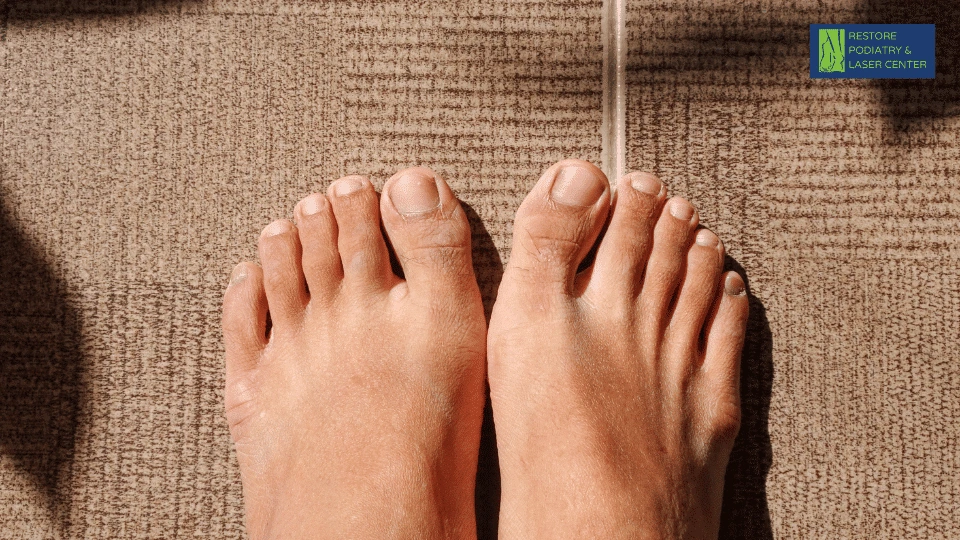
Stage 3: Advanced Stage Diabetic Neuropathy
The damage to the nerves gets worse at this point. The network of communication in your body is being seriously disrupted. You may encounter different signs and symptoms that include:
- Extreme sensitivity and pain
- Significant loss of feeling in the limbs
- Reduced sensation increases the chance of getting hurt
- Possible issues with the health of the feet
- Increased vulnerability to infections
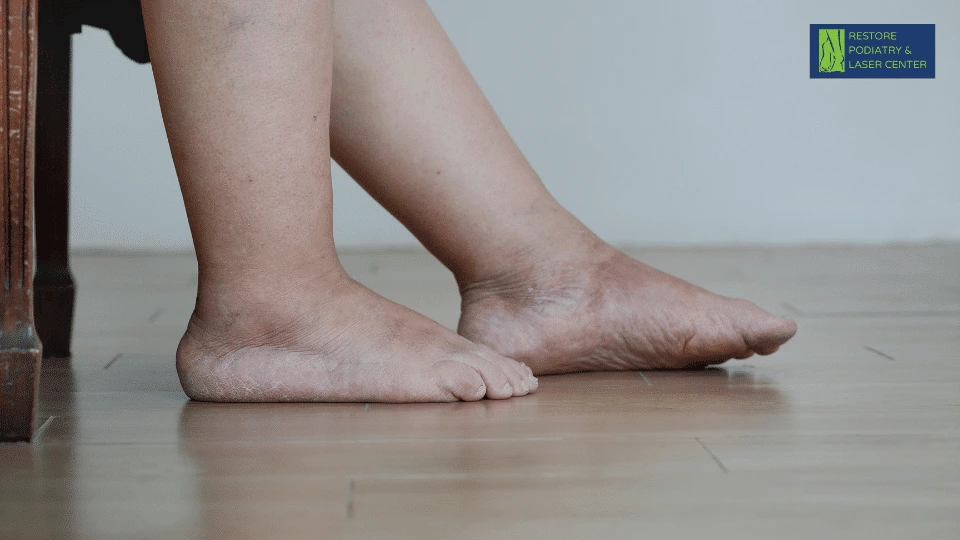
Critical Management Strategies
Here are a few ways where you can manage diabetic neuropathy at this advanced stage:
Control blood sugar
Controlling your blood sugar is the first line of protection against diabetic neuropathy. Dietary restrictions, regular medication, exercise, and close observation are some examples of how you can do it.
Regular medical examinations
Observation is essential: keep an eye open for some novel treatment strategies, early intervention possibilities, the potential outcomes, and the signs of any type of nerve damage.
Complete Foot Care, Avoiding Potential Issues
Regular Moisture management, correct shoe fitting, daily checks, and, in some cases, expert podiatric examinations may be part of the care program.
Pain management
Pain management is done hand on hand with doctors. We are talking about physical therapy, psychological assistance, alternative therapies, and even certain stress-reduction techniques.
Lifestyle changes
The maintenance of health encompasses good eating habits, exercise by walking, playing, swimming, or other such physical activities, stress control, good sleep, and proper mental care.
Stage 4: Late Diabetic Neuropathy
The latter stage of neuropathy can have a very profound impact on life. This is about preserving your freedom and quality of life, and it’s not only about your physical suffering.
Late-stage diabetic neuropathy can include signs such as:
- Serious nerve damage
- Constant, unpredictable pain
- Potential loss of sensation in your extremities
- Increased risk of infections
- Higher chances of mobility issues
Late-stage diabetic neuropathy is not fatal at all. This is a very difficult stage but with the proper approach and management at this stage, you would be able to get past this issue.
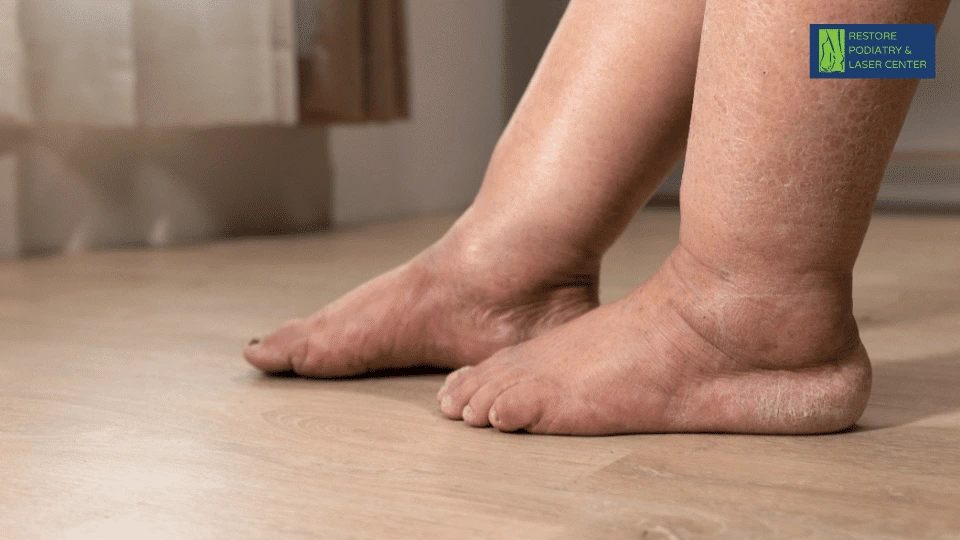
Holistic Approach to Management
A multidisciplinary approach becomes essential at this point. This implies having individualised medical treatment, some sort of support on an emotional level, advanced methods for managing pain, and even adaptive techniques for everyday life.
While this may be the last stage of diabetic neuropathy, there are still things that you can adapt to in your daily lives. This might look like:
- Specialized tools for everyday activities.
- Home modifications
- Assistive Technologies
- Physical Therapy Techniques
The best thing that you can do at this point in time is to stay informed, be proactive with your health, do not be hesitant to ask for help, learn to celebrate even minor successes, and keep fighting!
How Can Restore Podiatry Help?
For patients suffering from diabetic neuropathy, Dr. Davinder Bhela is there to help you. He takes a ground-breaking approach at Restore Podiatry & Laser Centre through unique approaches that include:
- Cutting-Edge Technology: Innovative Advanced State-of-the-Art Sophisticated Laser Treatments
- Non-Invasive Solutions: Prioritizing Patient Comfort
- Personalized care: Tailor treatments to the needs of individual patients.
- Regenerative Medicine: To concentrate more on the innate natural healing mechanisms of the body.
Advanced Treatment Technologies
Dr. Bhela’s facility provides an extensive range of laser therapies that include:
- Class 2 Laser, Class 4 Laser,
- Nd:Yag Laser
- Low-Level Laser Therapy
- High-Powered Laser Therapy
- High-Intensity Laser Therapy
Final Words
Diabetic neuropathy is a slippery and challenging condition, yet it can be successfully treated with early detection, effective and proper management, specialized care, and a positive attitude.
Keep in mind that you are not in this alone. Dr. Bhela and other medical specialists are committed to helping you with caring treatment that puts your health first.
If you’re experiencing early symptoms of diabetic neuropathy, wait no more. Call Restore Podiatry for the start of your journey toward comprehensive, restorative care.
Your health, comfort, and quality of life are worth fighting for.
Related Questions
1. Can diabetic neuropathy be reversed?
Early intervention and proper management have been proven to slow progress and greatly improve the quality of life.
2. How quickly does diabetic neuropathy progress?
It varies from one individual to another. Blood sugar control, overall health, and the approach adopted for treatment also are taken into consideration.
3. Are there natural ways to manage neuropathy?
Diet, exercise, stress management, and working with specialists like Dr. Bhela all add up to a major positive change in one’s health and well-being.