

No, it is generally not too late. If you’ve been hiding your feet for years and find yourself asking whether treatment is still possible, the encouraging answer is that even after a decade of stubborn infection, many people see real improvement once they begin a focused plan. The length of time you’ve had the infection matters less than getting the right care and sticking with it.
At Restore Podiatry & Laser Center in Hicksville, NY, Dr. Davinder Bhela treats chronic and stubborn nail fungus using advanced laser technology. This article explains how laser therapy works, how effective it is on long-standing infections, and what you can realistically expect.
Toenail fungus, medically known as onychomycosis, is a common infection caused by microscopic fungi called dermatophytes that thrive in warm, dark, moist environments – like the inside of your shoes. These organisms feed on keratin, the protein that makes up your nails.
An early infection often appears as a small white or yellow spot under the tip of the nail. As it progresses, the nail can:
Become discolored (yellow, brown, white, or black)
Thicken and become difficult to trim
Grow brittle, crumbly, or ragged
Change shape or lift from the nail bed
Emit a slightly foul odor
Without effective intervention, the infection can persist indefinitely, spreading to other toenails or surrounding skin. Learn more on our toenail fungus condition page.
Laser therapy is a non-invasive treatment that uses focused light energy to eliminate fungus living in and under the nail. Unlike topical solutions that sit on the surface or oral medications that can have systemic side effects, the laser passes through the nail to target the fungus directly at its source.
There are no needles and no cutting involved. Most patients describe the treatment as a warming sensation as the laser moves across each nail. Read about our approach on the laser fungal toenail treatment page.
Performed in our Hicksville office, the podiatrist directs a specialized medical laser over the infected nails. The laser emits pulses of energy at a specific wavelength that pass harmlessly through the nail to the nail bed below, where the energy is absorbed by pigment within the fungi.
As the fungi absorb this energy, they are rapidly heated and destroyed – a process called selective photothermolysis. It’s precise enough to eradicate fungal organisms without damaging healthy nail and skin, effectively sterilizing the area so a new, clear nail can grow.
At Restore Podiatry & Laser Center, this treatment is often part of a structured plan such as the Clear Nail Program, which combines laser sessions with ongoing monitoring. We also offer broader foot laser therapy for other foot conditions. During your consultation, Dr. Davinder Bhela will determine the most appropriate plan based on the severity and duration of your condition.
Laser treatment has become a popular choice because it offers a non-invasive way to fight fungus. Studies have consistently shown laser therapy is a safe and effective option for clearing fungal nail infections, with success rates often reported between 70% and 90%.
Success is typically defined as the growth of a new, clear nail and a negative lab test for fungal presence after treatment. The laser’s ability to penetrate the nail and target the fungus directly makes it a strong option for chronic cases where other methods have failed.
A common worry is whether a ten-year infection is too far gone. The reassuring reality is that even old infections improve. The core mechanism – destroying the fungus with heat – remains effective regardless of how long it has been there, though chronic cases usually require more sessions.
Laser treatment doesn’t instantly reverse existing damage. The laser kills the fungus, but the discolored, thickened nail must grow out and be replaced by a new, healthy nail.
Treatment Sessions: A typical plan involves a series of short sessions spaced several weeks apart, with the exact number depending on severity.
Nail Regrowth: Toenails grow about 1–2 millimeters per month, so it can take roughly 6 to 12 months – sometimes longer – to see a fully clear nail. Clear growth emerging from the base within the first few months is a positive sign that the treatment is working.
Most people with toenail fungus are good candidates for laser therapy, including those who:
Have tried creams or other topical treatments without success
Are unable or unwilling to take oral antifungal medications due to side effects or drug interactions
Have thick or discolored nails from a long-term infection
Have several affected nails
Want a non-invasive option with no needles or cutting
During your initial assessment, Dr. Bhela will review your medical history and examine your nails to confirm a fungal diagnosis – and rule out other causes of discoloration – to ensure laser therapy is right for you.
Laser treatment has a high success rate, but no toenail fungus treatment offers a 100% guarantee. The fungus lives everywhere in our environment – in showers, shoes, and socks – so reinfection is always possible without proper precautions. Very thick nails may need to be mechanically thinned before laser energy can penetrate optimally. Infections that have spread to many nails require more sessions, and conditions that affect circulation can slow nail growth. However, none of these are reasons to give up. Effective treatments are always available.
Preparation is simple: trim your nails and remove any polish, creams, or lotions before your appointment. Your provider may thin very thick nails so the laser can work more effectively. The procedure is quick – often 30 minutes or less – with most patients feeling only a warm sensation, little to no pain, and no downtime afterward.
For anyone who has lived with this condition for years, balance hope with realistic expectations:
The Result is Not Instant: The damaged nail won’t clear overnight; the true result is the new, healthy nail that grows in behind it.
Patience is Key: Growing out a full toenail is a long process – stay consistent with follow-up appointments and at-home care.
A Partnership for Success: Treatment is a partnership between you and your podiatrist, and your commitment matters as much as the technology.
Many people who have lived with fungus for years are genuinely surprised at how much improvement is possible. Remember: consistency, not the calendar, is what drives results.
Laser therapy reaches the fungus deep within the nail, requires no needles or incisions, and can improve even the most stubborn cases. The keys to success are patience, consistency, and good foot care habits to prevent reinfection.
It’s time to stop hiding your feet and start the journey back to confidence. To find out if laser treatment is right for your nails, schedule an evaluation with Dr. Bhela at Restore Podiatry & Laser Center in Hicksville, NY.
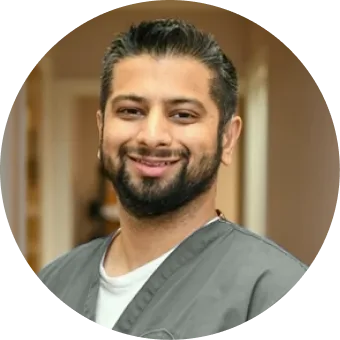
About the Author
Dr. Davinder Bhela, DPM
June 25, 2026